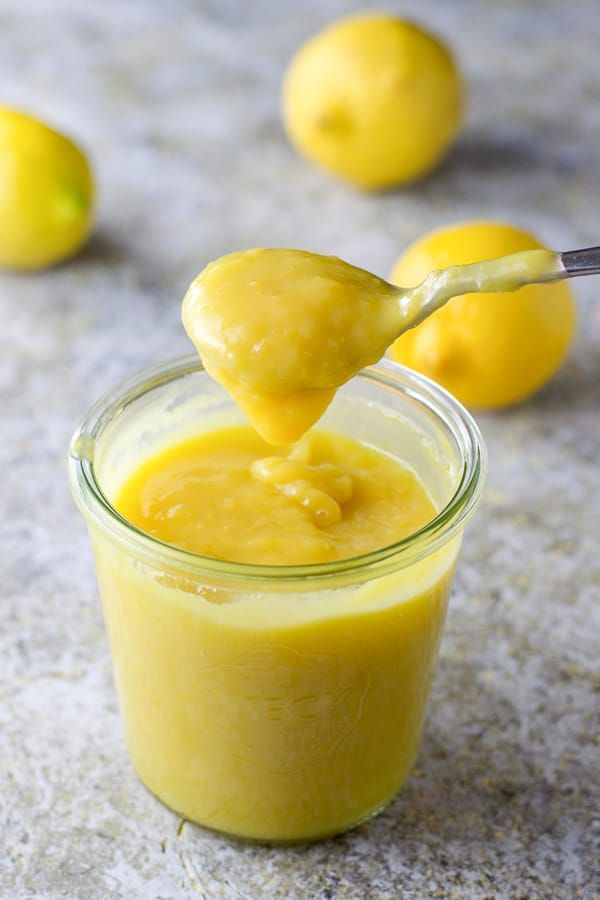
Lemon curd is a rich, silky, and intensely flavored spread made from fresh lemons, sugar, eggs, and butter. With its bright citrus flavor and smooth, creamy texture, lemon curd is a versatile ingredient that can be used in cakes, tarts, pastries, cookies, pancakes, scones, yogurt parfaits, and countless other desserts. Although it sounds fancy, homemade lemon curd is surprisingly simple to make and tastes far superior to most store-bought versions.
This recipe produces a perfectly balanced lemon curd that is tangy, sweet, smooth, and bursting with fresh lemon flavor. Once you learn how easy it is to make, you may never want to buy it from the store again.
Why You’ll Love This Recipe
- Bright and fresh lemon flavor
- Smooth and creamy texture
- Made with simple ingredients
- Perfect for baking and desserts
- Easy to prepare
- Better than store-bought versions
- Stores well in the refrigerator
Ingredients
Makes about 2 cups of lemon curd
Main Ingredients
- 4 large lemons
- 1 cup (200 g) granulated sugar
- 4 large eggs
- ½ cup (115 g) unsalted butter, cut into small cubes
- Pinch of salt
Optional Ingredients
- 1 teaspoon vanilla extract
- Extra lemon zest for garnish
Equipment Needed
- Medium saucepan
- Heatproof mixing bowl
- Fine-mesh strainer
- Whisk
- Citrus zester
- Citrus juicer
- Measuring cups and spoons
- Airtight glass jars or containers
Preparation Time
- Preparation: 15 minutes
- Cooking: 15 minutes
- Cooling: 2 hours
- Total Time: Approximately 2 hours 30 minutes
Step 1: Prepare the Lemons
Wash the lemons thoroughly under cool running water.
Using a fine zester, remove the outer yellow layer of the peel. Avoid the white pith underneath, as it can be bitter.
You should obtain about 2 tablespoons of lemon zest.
Next, juice the lemons until you have approximately ½ cup (120 ml) of fresh lemon juice.
Strain the juice to remove seeds and excess pulp.
Freshly squeezed lemon juice provides the brightest flavor and is highly recommended.
Step 2: Combine the Ingredients
In a heatproof mixing bowl, whisk together:
- Eggs
- Sugar
- Lemon juice
- Lemon zest
- Pinch of salt
Whisk until the mixture becomes smooth and fully combined.
The sugar should begin dissolving into the liquid ingredients.
Step 3: Create a Double Boiler
Fill a medium saucepan with about 1–2 inches of water.
Bring the water to a gentle simmer over medium heat.
Place the heatproof bowl containing the lemon mixture over the saucepan.
Ensure the bottom of the bowl does not touch the water.
This gentle heating method helps prevent the eggs from scrambling.
Step 4: Cook the Lemon Mixture
Cook the mixture over the simmering water while whisking constantly.
Continue stirring for approximately 8–12 minutes.
As the mixture heats, it will gradually thicken.
The curd is ready when:
- It coats the back of a spoon.
- It reaches a pudding-like consistency.
- A finger drawn across the spoon leaves a clear line.
Patience is important during this step.
Avoid increasing the heat too much, as excessive heat can cause curdling.
Step 5: Add the Butter
Remove the bowl from the heat.
Immediately add the butter cubes a few pieces at a time.
Whisk continuously until all the butter melts completely.
The butter contributes richness, smoothness, and a luxurious texture.
At this stage, you may also add the vanilla extract if using.
Step 6: Strain the Curd
For the smoothest possible lemon curd, pour the mixture through a fine-mesh strainer into a clean bowl.
This removes:
- Any cooked egg particles
- Excess zest pieces
- Small lumps
The result is a silky, professional-quality lemon curd.
Step 7: Cool the Lemon Curd
Allow the curd to cool at room temperature for about 15–20 minutes.
As it cools, it will continue to thicken.
Press a piece of plastic wrap directly onto the surface of the curd.
This prevents a skin from forming.
Transfer the bowl to the refrigerator.
Chill for at least 2 hours before using.
Step 8: Store Properly
Once fully chilled, transfer the lemon curd into sterilized jars or airtight containers.
Store in the refrigerator for up to 2 weeks.
The flavor often becomes even better after a day of chilling.
How to Use Lemon Curd
Lemon curd is one of the most versatile dessert fillings and toppings.
Breakfast Ideas
Spread it on:
- Toast
- English muffins
- Croissants
- Scones
- Pancakes
- Waffles
Dessert Fillings
Use it as a filling for:
- Layer cakes
- Cupcakes
- Macarons
- Tart shells
- Cream puffs
- Doughnuts
Toppings
Spoon lemon curd over:
- Cheesecake
- Ice cream
- Yogurt
- Pavlova
- Fresh berries
Dessert Parfaits
Layer lemon curd with:
- Whipped cream
- Crushed cookies
- Fresh fruit
The combination creates a beautiful and delicious dessert.
Tips for Perfect Lemon Curd
Use Fresh Lemons
Fresh juice and zest provide the best flavor.
Bottled lemon juice lacks the brightness and complexity of fresh lemons.
Whisk Constantly
Continuous whisking ensures smooth cooking and prevents scrambled eggs.
Use Moderate Heat
Gentle heat allows the mixture to thicken gradually without curdling.
Strain for Smoothness
Even if the curd looks smooth, straining produces a more refined texture.
Chill Thoroughly
The curd thickens significantly during refrigeration.
Flavor Variations
Meyer Lemon Curd
Use Meyer lemons for a sweeter and slightly floral flavor.
Lime Curd
Substitute fresh lime juice and zest for a refreshing variation.
Orange Curd
Replace lemons with oranges for a sweeter citrus spread.
Lemon-Lavender Curd
Infuse the lemon juice with culinary lavender before cooking.
Berry Lemon Curd
Blend in a small amount of raspberry or strawberry puree after cooking.
Common Mistakes to Avoid
Overheating the Eggs
High heat can cause the eggs to scramble.
Always cook gently.
Not Straining the Juice
Seeds and excess pulp can affect the final texture.
Using Cold Butter
Room-temperature butter melts more smoothly into the curd.
Skipping the Plastic Wrap
Covering the surface prevents an unwanted skin from forming.
Storage and Freezing
Refrigerator
Store in airtight containers for up to 2 weeks.
Freezer
Lemon curd freezes well.
Place in freezer-safe containers and freeze for up to 3 months.
Thaw overnight in the refrigerator before using.
Stir gently after thawing to restore smoothness.
Nutritional Notes
Lemon curd contains:
- Vitamin C from fresh lemons
- Healthy fats from butter
- Protein from eggs
While it is a sweet treat, the fresh citrus flavor keeps it feeling light and refreshing.
Frequently Asked Questions
Why Is My Lemon Curd Too Thin?
It may need additional cooking time or more chilling time.
The curd continues thickening as it cools.
Why Did My Lemon Curd Become Lumpy?
This usually happens if the eggs cook too quickly.
Straining often solves the problem.
Can I Make Lemon Curd Without Butter?
Yes, but butter contributes richness and smooth texture.
The flavor and consistency will differ slightly.
Can I Reduce the Sugar?
You can reduce it somewhat, but sugar contributes both sweetness and texture.
Conclusion
Homemade lemon curd is a delicious and versatile citrus spread that transforms simple ingredients into something truly special. With its bright lemon flavor, velvety texture, and endless uses, it is a valuable recipe for any home baker. Whether spread on warm scones, layered into cakes, spooned over yogurt, or enjoyed straight from the jar, lemon curd adds a burst of sunshine to every bite. Once you experience the freshness and flavor of homemade lemon curd, it is likely to become a regular favorite in your kitchen.